



Refresh and renew your look
3 Step Under-Eye
Fat Repositioning
Add volume to the under-eye area
LIENJANG UNDER-EYE FAT REPOSITIONING
Surgery Information
-
 Duration
~30 minutes
-
 Anesthesia
Sleep sedation
-
 Stitch Removal
None
-
 Daily Activities
Within 3 days
-
 Scarring
None
3 Step Under-Eye Fat Repositioning
Add volume to the under eyes, aegyo-sal, and front cheekbones.
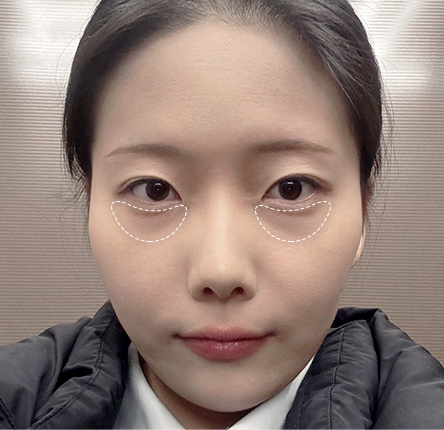
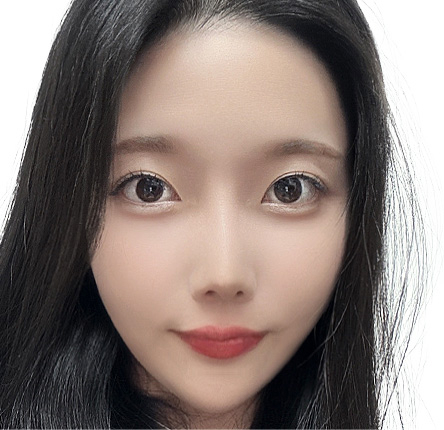

Reveal a youthful appearance with
bright, lively eyesAt Lienjang, we correct the
skin, muscle, and fat layers


-
KEY POINT 1
Precise incisions for
reduced swelling and bruisingLienjang performs under-eye fat repositioning through a transconjunctival approach, allowing patients to return to their daily lives with minimal tissue damage or pain.


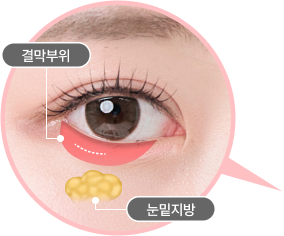
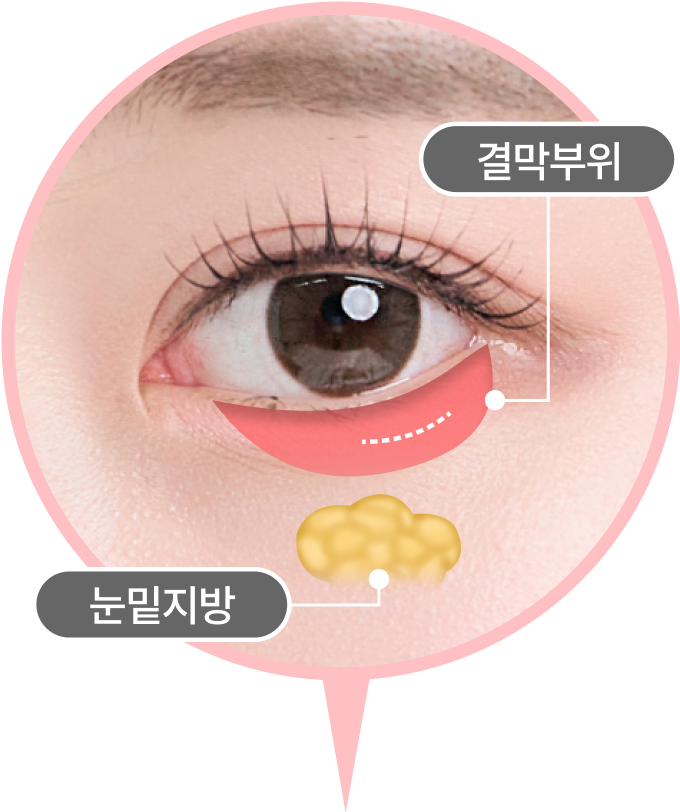
Lienjang performs under-eye fat repositioning through a transconjunctival approach,
allowing patients to return to their daily lives with minimal tissue damage or pain. -
KEY POINT 2
No revision surgery needed
with orbital septum reinforcement-
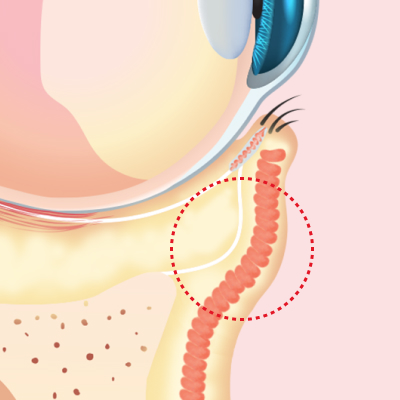
Stretched and weakened orbital septum
-
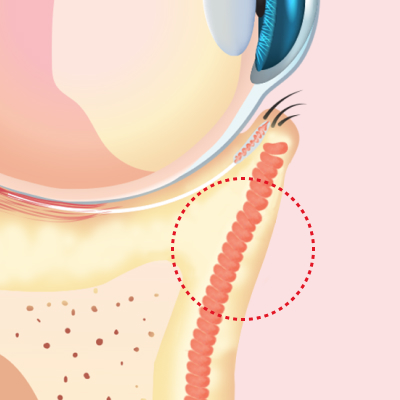
Tightly fixed after fat repositioning
-
-
KEY POINT 3
Customizable treatment
for various concerns-
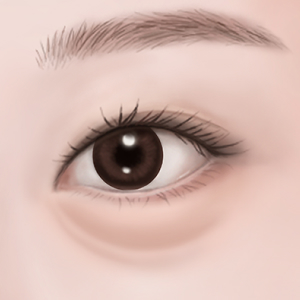
Protruding
under-eyes -
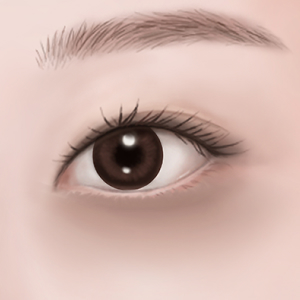
Dark circles
-
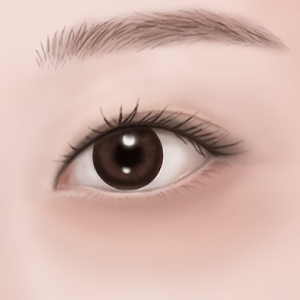
Sunken areas
Target your exact concerns
in a single treatment! -
L I E N J A N G P L A S T I C S U R G E R Y
3 Step Under-Eye Fat Repositioning Process
-
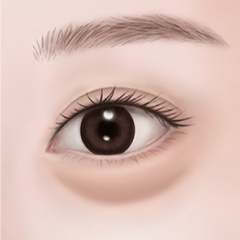 01
01
Before Surgery
Thorough analysis
and planning -
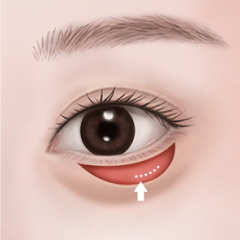 02
02
Conjunctival Incision
Minimal incision to
prevent scarring -
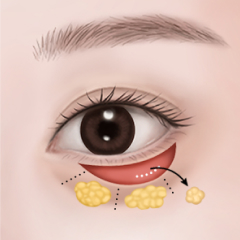 03
03
Fat Repositioning
The under-eye is smoothed
and reinforced -
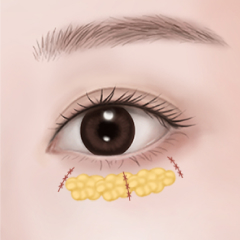 04
04
Fat Grafting
Fat is harvested and grafted
to the cheekbones -
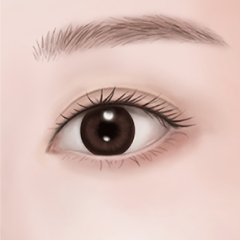 05
05
After Surgery
A smooth under-eye
is achieved
LIENJANG UNDER-EYE FAT REPOSITIONING
Recommended for...
- Those with bulging fat under the eyes
- Those concerned about severe dark circles
- Those lacking volume in the under-eyes and cheeks
- Those worried about wrinkles around the eyes
- Those looking for a procedure without revisions
- Those who want minimal downtime and recovery
LIENJANG UNDER-EYE FAT REPOSITIONING
Frequently Asked Questions
※ Click to learn more
The procedure typically takes approximately 30 minutes.
Same-day surgery may be possible depending on your schedule and whether you have met the required fasting instructions. Please consult with our medical team in advance to confirm your eligibility.
No. The aegyo-sal, the small area of muscle and soft tissue that creates a youthful fullness beneath the eyes, is anatomically distinct from the under-eye fat. Repositioning or removing excess under-eye fat does not necessarily eliminate the aegyo-sal. In fact, reducing excess under-eye fat may make the aegyo-sal more visible, helping create a brighter and more youthful appearance.
Bruising and swelling vary from person to person. At Lienjang, our experienced surgeons draw on over 20 years of experience and expertise to help minimize post-operative bruising and swelling as much as possible.
- Avoid excessive alcohol consumption, smoking, saunas, jjimjilbangs (Korean bathhouses), and strenuous exercise for 3–7 days after surgery to help reduce the risk of inflammation.
- Avoid rubbing or applying excessive pressure or irritation to the treated area.
- Keep the skin well moisturized and apply sunscreen whenever you go outdoors.
- Gentle face washing and light makeup may be possible starting the day after surgery, as advised by your surgeon. Avoid exfoliating scrubs and chemical peeling treatments during the initial recovery period.
Lienjang Surgical Safety
Your safety is our top priority.-
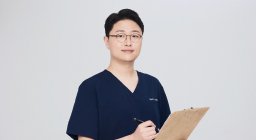
01Dedicated Surgeons
Personalized one-on-one care from consultation to post-surgery recovery.
-
02On-Site Anesthesiologists
Experts present before and after surgery for constant monitoring.
-
03Comprehensive Pre-Surgical Examination
Blood tests, ECG, X-rays, and other pre-surgical examinations.

-
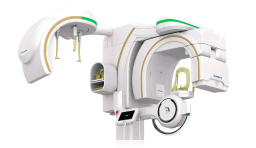
04Precise 3D-CT Diagnostics
Advanced imaging for detailed surgical planning.
-
05Emergency Response System
Advanced safety devices and an emergency response system for critical situations.

-
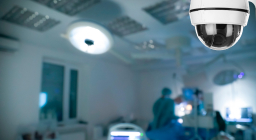
06Operating Room CCTV Surveillance
CCTV present in the operating room to ensure surgeon accountability.
-
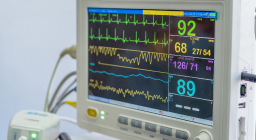
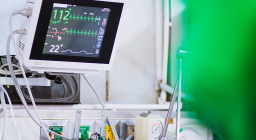
07Central Monitoring System
Real-time monitoring of the surgery and anesthesia.
-
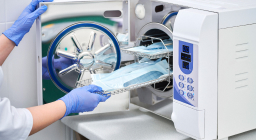
08Strict Hygiene and Safety Management
A sterile environment to prevent infection through sterilization and disinfection.
-
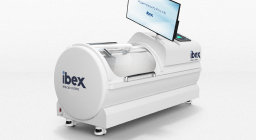
09Two-Atmosphere Hyperbaric Oxygen Therapy
Quicker healing, reduced swelling and bruising, and improved antioxidant effects.
-
01
Dedicated Surgeons
Personalized one-on-one care from
consultation to post-surgery recovery. -
02
On-Site Anesthesiologists
Experts present before and after surgery
for constant monitoring. -
03
Comprehensive Pre-Surgical Examination
Blood tests, ECG, X-rays, and other pre-surgical examinations.
-
04
Precise 3D-CT Diagnostics
Advanced imaging for detailed
surgical planning. -
05
Emergency Response System
Advanced safety devices and an emergency
response system for critical situations. -
06
Operating Room CCTV
SurveillanceCCTV present in the operating room
to ensure surgeon accountability. -
07
Central Monitoring System
Real-time monitoring of the surgery
and anesthesia. -
08
Strict Hygiene and Safety Management
A sterile environment to prevent infection
through sterilization and disinfection. -
09
Two-Atmosphere Hyperbaric
Oxygen TherapyQuicker healing, reduced swelling and bruising,
and improved antioxidant effects.


